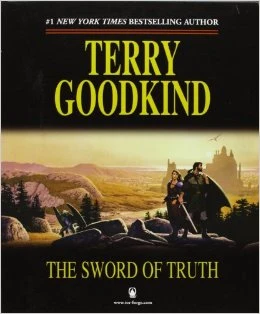
Sword of Truth
A blade that cuts through lies, binding the Seeker's will to the very fabric of magic.

The Sword of Truth is a legendary artifact forged by the First Order and serves as the central symbol of the Rithmatist's duty to uphold justice. Unlike ordinary weapons, it possesses a unique metaphysical bond with its wielder, acting as both a physical blade and a conduit for magical power. Throughout the history of the New World, it has been passed down through generations of Seekers, marking them as the chosen guardians against the forces of darkness.
- Type
- Sentient Magical Artifact
- Wielder
- Seeker of Truth (Richard Rahl)
- Origin
- Forged by the First Order
- Primary Function
- Amplification of Sensitive Magic and Truth Detection
- Status
- Active
Lore & Background
Throughout the ages, the sword has been lost and recovered, often appearing at critical moments in history when the balance between light and dark teeters. It serves as the ultimate equalizer against the Confessors' power and the dark arts of the Imperial Order. The bond between Richard Rahl and the blade is particularly profound, allowing him to channel vast amounts of energy for both offensive strikes and defensive barriers, effectively making him a walking fortress.
In Their Own Story
The air grew heavy with ozone as Richard tightened his grip on the hilt. The steel hummed against his palm, a vibration that traveled up his arm and settled in his chest. Before him, the shadows coalesced into a form of pure malice, but the blade did not tremble. It sang a silent note of absolute certainty, cutting through the fog of lies the enemy tried to weave. With a single, fluid motion, he drew the edge, and the darkness shattered like glass under the weight of undeniable truth.
Reader's Guide
The Sword of Truth operates on a unique principle within the magic system: it amplifies the innate sensitive abilities of its wielder. It does not generate power independently but acts as a lens, focusing the user's will into tangible force. One of its primary functions is the detection of lies. When held by a Seeker, the blade vibrates or grows warm in the presence of deception, allowing the wielder to cut through verbal manipulation instantly. This makes it an invaluable tool for interrogation and justice. In combat, the sword can channel raw magical energy into physical strikes or protective shields. However, this power is strictly limited by the user's own mental discipline and moral fortitude; a corrupt heart cannot command the blade effectively. The artifact also possesses a defensive capability known as 'Sword of Truth' protection, which can deflect spells and nullify certain dark arts when the wielder focuses their intent on defense. It requires constant training to master its full potential.
Did You Know?
- The sword is said to be unable to harm those who speak only the truth, regardless of their intentions.
- It was originally forged using materials from a meteorite that fell during a time of great cosmic alignment.
- Only a true Seeker can draw the blade; any other attempt results in the weapon becoming impossibly heavy.
- The hilt is inscribed with ancient runes that glow when dark magic is nearby.
Series Overview and Commercial Success
The Sword of Truth stands as a monumental high fantasy saga comprising twenty-one novels and six novellas crafted by Terry Goodkind. Spanning from its inception in 1994 with Wizard's First Rule to the final release, Heart of Black Ice, in 2020, the narrative chronicles the epic journey of Richard Cypher alongside companions Kahlan Amnell, Nicci, Cara, and Zeddicus Zu'l Zorander. Their collective mission involves dismantling oppressive regimes and preventing malevolent forces from corrupting the world of the living. Although most volumes were designed to function as standalone stories, they are intricately woven into a cohesive timeline driven by recurring events, with the final three books forming a distinct trilogy. The series achieved massive global recognition, selling over 25 million copies worldwide by 2008 and being translated into more than twenty languages. This widespread appeal even inspired a television adaptation titled Legend of the Seeker, which premiered in late 2008, blending elements from various books to create a loose visual interpretation of Goodkind's written world.
Geographical Setting and Political Structure
The narrative unfolds within a realm sharply divided into two distinct regions: the New World and the Old World. The New World is further segmented into three territories: Westland, D'Hara, and the Midlands. D'Hara operates under the rule of a magically gifted member of the Rahl family, while the Midlands are governed by a council led by the Mother Confessor, head of an order of women possessing the power to compel absolute devotion or truth from others. In contrast, Westland is a land devoid of magic, also managed by a representative council. The Old World remains largely mysterious until the second novel, with its geography described in far less detail than its counterpart. This political landscape sets the stage for conflict, particularly as Darken Rahl expands his empire in D'Hara and later as the Imperial Order from the Old World launches an invasion led by Emperor Jagang, threatening to consume the New World's fragile stability.
Protagonist Journey and The Sword of Truth
At the heart of the saga is Richard Cypher, a humble woods guide whose life transforms after he assumes the mantle of Seeker of Truth. Appointed by his mentor Zedd, Richard wields the legendary Sword of Truth, an artifact that operates on perception; it can sever any threat perceived by its wielder but remains harmless to those deemed innocent. The sword also amplifies anger, granting enhanced strength and conviction. Richard's journey begins with the discovery of his heritage as the son of Darken Rahl and evolves into a struggle against the Imperial Order. His refusal to compromise his values serves as a beacon for others, illustrating the nobility of freedom. Key plot points include his marriage plans being interrupted by capture from the Sisters of the Light, his education in magic within the Old World, and his ultimate return to stop the Keeper of the Underworld from devouring the living realm.
Artistic Legacy and Visual Identity
The visual identity of the Sword of Truth series is deeply tied to the work of cover artist Keith Parkinson. He created the artwork for nearly every novel in the first edition, with the notable exceptions of Wizard's First Rule and Blood of the Fold. Later hardback and paperback reissues of these two titles eventually featured new illustrations by Parkinson as well, ensuring a consistent aesthetic across the collection. Tragically, Parkinson passed away on October 26, 2005, yet he managed to complete cover art for two additional novels before his death. His contributions remain an integral part of the series' presentation, providing fans with a recognizable visual thread that connects the twenty-one volumes and six novellas throughout their publication history.
Frequently Asked Questions
Who wields the Sword of Truth?
The blade is bonded to the Seeker of Truth, most famously Richard Rahl in the main timeline. It chooses its master based on their commitment to justice rather than bloodline.
What are the primary powers of the artifact?
Beyond physical combat, it detects lies and amplifies the wielder's sensitive magic. The sword also acts as a conduit for channeling magical energy through the user.
Who originally forged the Sword of Truth?
The weapon was created by the First Order during an ancient era of history. Its origin establishes it as one of the oldest and most significant magical items in existence.
How does the sword interact with its master?
It forms a metaphysical bond that binds the Seeker's will to the fabric of magic itself. This connection prevents unworthy individuals from effectively using the weapon's true capabilities.
Why is the Sword of Truth important to the story?
As the central symbol of justice, it serves as the primary defense against forces of darkness. Its presence dictates the fate of nations and drives the core narrative conflict.